esarley

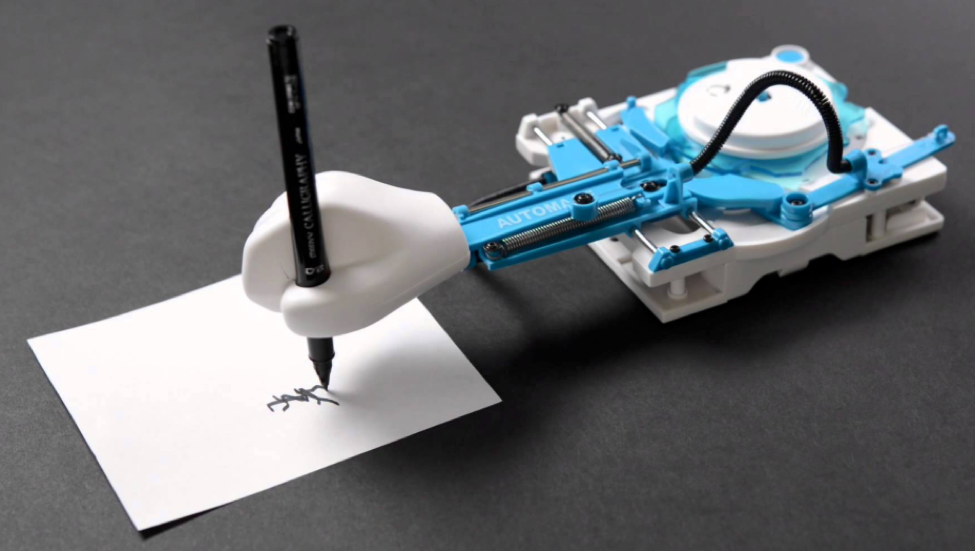

Human workers aren’t going anywhere — yet
Toutiao, the media giant and new aggregator platform, has created a strong competitive advantage by leveraging machine learning to provide customized content to its readers, but that doesn’t mean the company doesn’t still rely on top talent to get the job done.


Why inclusion matters for the future of AI
The potential of AI to change the world is undeniable, and yet there is an ugly side to this transformational technology in the form of biased and exclusionary machine learning. Amar Ashar and Sandra Cortesi of the Berkman Klein Center’s Ethics and Governance of Artificial Intelligence group detail some of the most pressing issues related to the AI divide and explore how AI can become more inclusive as the technology takes greater hold globally.

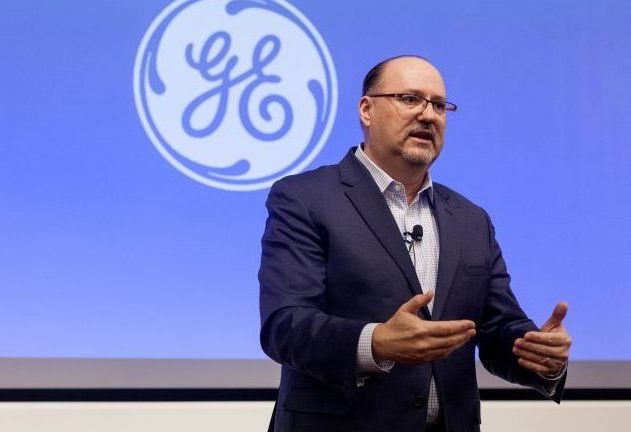
Becoming digital industrial
You see disruption on the horizon, you recognize a big market, you know the change is coming, you know technology is going drive it, you know the value and business models are about to fundamentally change – now what? GE’s Bill Ruh highlights how industrial firms can be proactive and take digital transformation in to their own hands – before they are disrupted themselves.

Shrinking the Supply Chain: Target needs an integrated digitalization strategy to thrive as an omnichannel retailer
To be a successful omnichannel retailer in the age of e-commerce, Target can no longer simply continue to incrementally improve each individual aspect of its business. Instead, the company needs a unique and systemwide digital supply strategy that will strengthen Target’s customer promise as well as its bottom line.

Intel Inside or on the Outside? Exploring the impact of artificial intelligence on the supply and design of processor chips
As customer demand for greater computing power and product customizations grows, Intel must ask itself, “What is the future the computing supply chain?” and find a way to stay relevant as microprocessors gain further dominance.


The Virtual Supply Chain: Instantaneous, Custom & Local, delivered by UPS
3D printing and virtual warehousing has the power to improve the consumer offering and increase the efficiency of the supply chain by providing wider product variety with faster delivery while accessing scale manufacturing advantages and reducing inventory holding cost and production waste. This technology has the potential to fundamentally change global trade dynamics, consumer buying behavior and business strategy as it enables a shift away from the physical and into the virtual.