
Public Disclosure, Reputation Sensitivity and Labor Law Compliance: Better Factories Cambodia
Cambodian factories are more likely to become compliant with labor standards when their audit results are publicly disclosed.


Cambodian factories are more likely to become compliant with labor standards when their audit results are publicly disclosed.
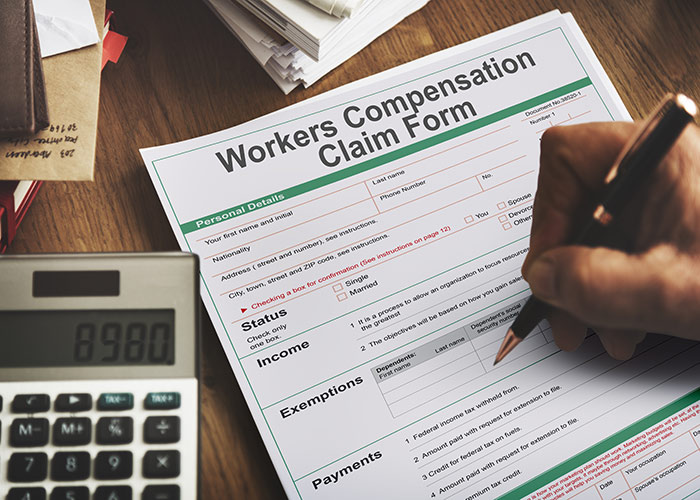
Companies became safer—experiencing fewer workplace injuries and lower injury-related costs—after they were subjected to a government health and safety inspection.


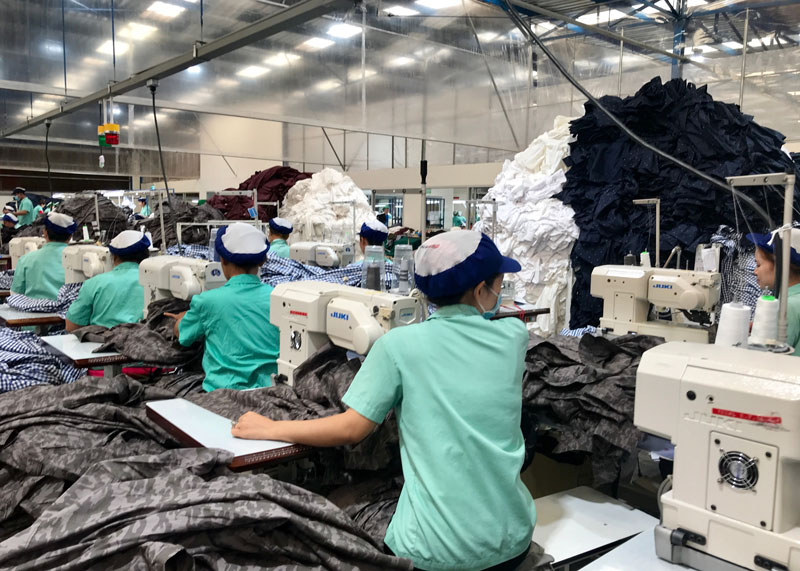
Suppliers in Cambodia that work via sourcing agents with buyers exhibit worse compliance with ILO labor standards, compared to suppliers that work directly with buyers.

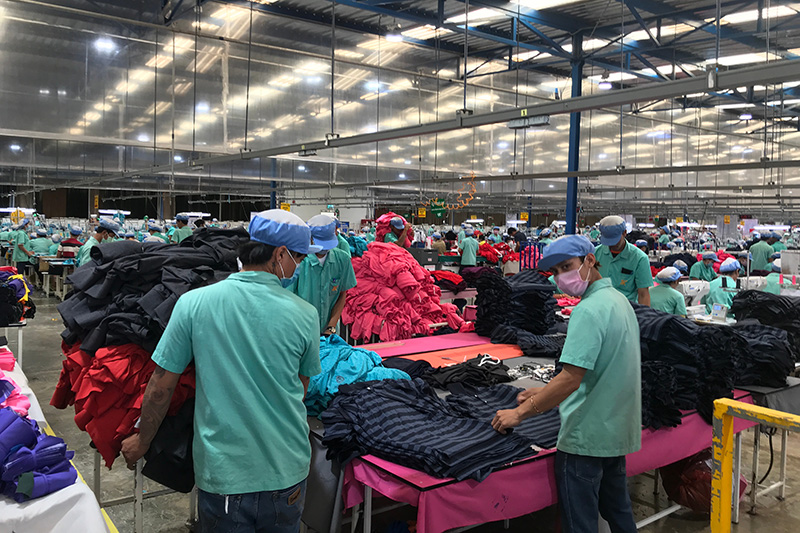
Cambodian garment factories serving reputation-conscious buyers tend to exhibit better compliance with labor codes of conduct.

Suppliers improve labor standards more when auditors diffuse best practices and engage in joint problem solving and root-cause analysis, rather than threaten penalizing non-compliance.




Multinational codes of conduct in Chinese toy factories are linked to low compliance of labor standards due to suppliers deceiving monitoring organizations.

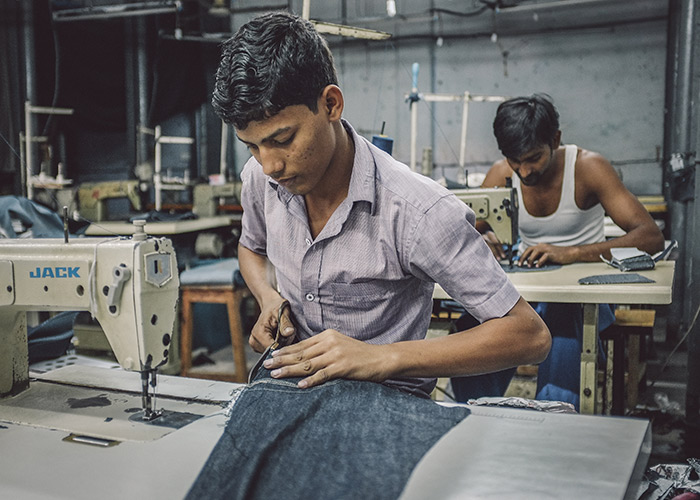
Lean manufacturing and empowering workers to solve production problems can improve plant efficiency and worker satisfaction, per this analysis of two Mexican factories.

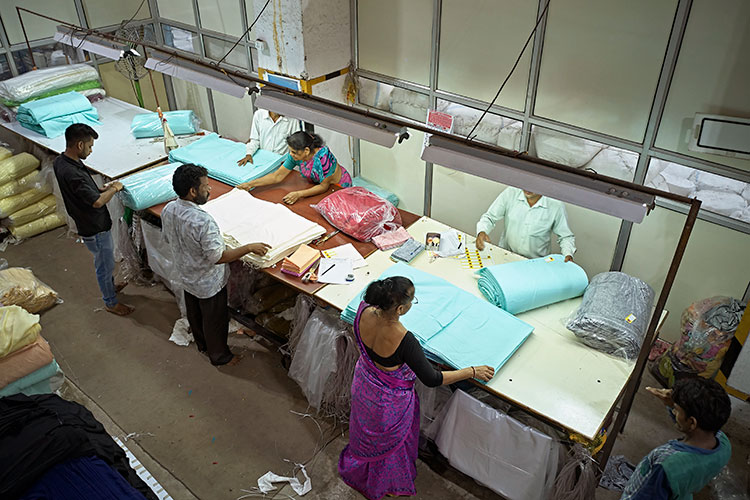
Supplier codes-of-conduct have improved worker safety and working hours, but have done little to improve collective bargaining rights, per 500+ interviews with workers and union officials.



Activist campaigns targeting brands to make supply chains more sustainable are more effective when they are well-researched, run coordinated exposés, threaten brand reputation, and highlight sustainable alternatives.
