Visit hbs.edu

Insights

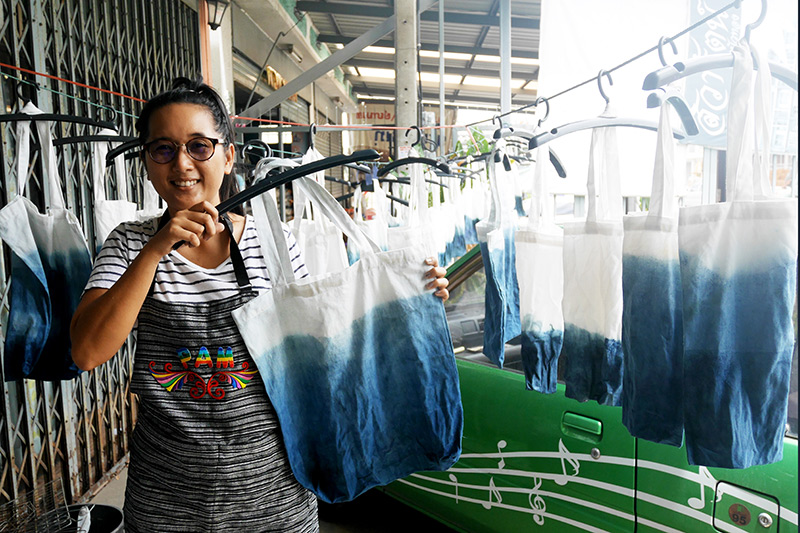
Do Code of Conduct Audits Improve Chemical Safety in Garment Factories: Lessons on Corporate Social Responsability in the Supply Chain from Fair Wear Foundation

Garment factories adhering to the Fair Wear Foundation’s code of conduct audited 10 or more times yield better chemical health and safety for its workers.

The Integrity of Private Third-Party Compliance Monitoring

Private, third-party monitors are more lenient when auditing entities with whom they have longstanding relationships, when monitors have opportunities to cross-sell, and when they face greater competition.

Codes in Context: How States, Markets, and Civil Society Shape Adherence to Global Labor Standards

Suppliers exhibit better working conditions when located in countries that provide greater press freedom, better collective bargaining rights and that sign more ILO treaties.

Production Goes Global, Compliance Stays Local: Private Regulation in the Global Electronics Industry

Lorem ipsum dolor sit amet, consectetur adipiscing elit. Nam hendrerit nisi sed sollicitudin pellentesque. Nunc posuere purus rhoncus pulvinar aliquam. Ut aliquet tristique nisl vitae volutpat. Nulla aliquet 

Responsibility and Neglect in Global Production Networks: The Uneven Significance of Codes of Conduct in Indonesian Factories

Indonesian factories subject to codes of conduct tend to have better health and safety, fire safety, payment, and contracting practices.

Social Activism and Practice Diffusion: How Activist Tactics Affect Non-targeted Organizations

When activist campaigns called for some universities to sanction a major athletics supplier alleged to violate human rights, evidence-based tactics—but not disruptive tactics—led other universities to also impose sanctions.

Do Codes of Conduct Improve Worker Rights in Supply Chains? A Study of Fair Wear Foundation

Subsequent factory audits can lead to fewer remarks and violations in the areas of child labor, discrimination, health and safety, and employment relationship.

The Science of Sustainable Supply Chains

This article reviews the progress and challenges in improving the working conditions and environmental performance of global supply chains, highlighting the need for better data, decision-support tools, and incentives.

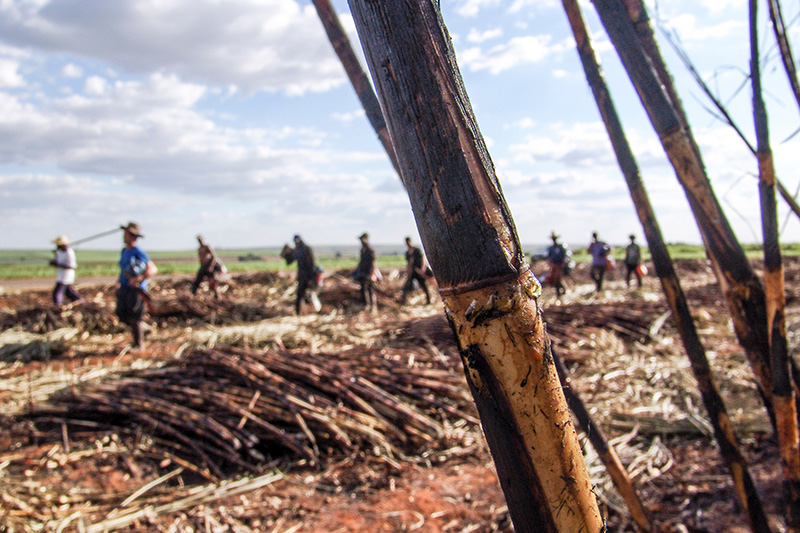
Parallel Paths to Enforcement: Private Compliance, Public Regulation, and Labor Standards in the Brazilian Sugar Sector

Government inspectors and social auditors work in parallel to improve working conditions in Brazil’s sugar cane industry, including housing, pay, and benefits.

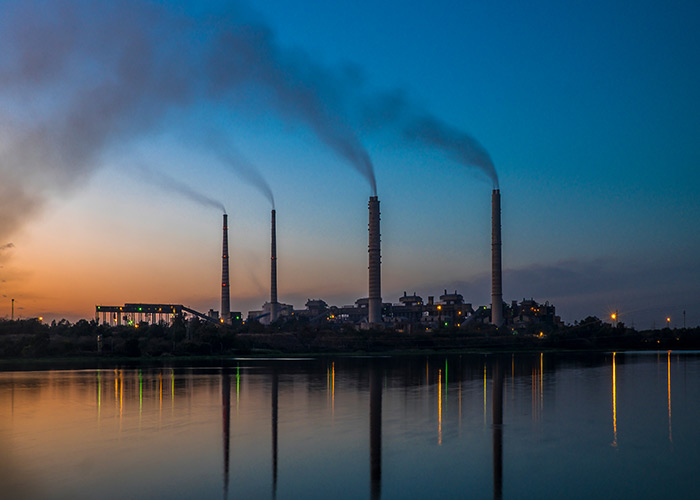
Truth-telling by Third-party Auditors and the Response of Polluting Firms: Experimental Evidence from India

Factory audits are very likely to be lax when conducted by auditors chosen and paid for by the factories, reflecting a classic conflict of interest.