Visit hbs.edu

Insights

CSR Participation Committees, Wildcat Strikes and the Sourcing Squeeze in Global Supply Chains

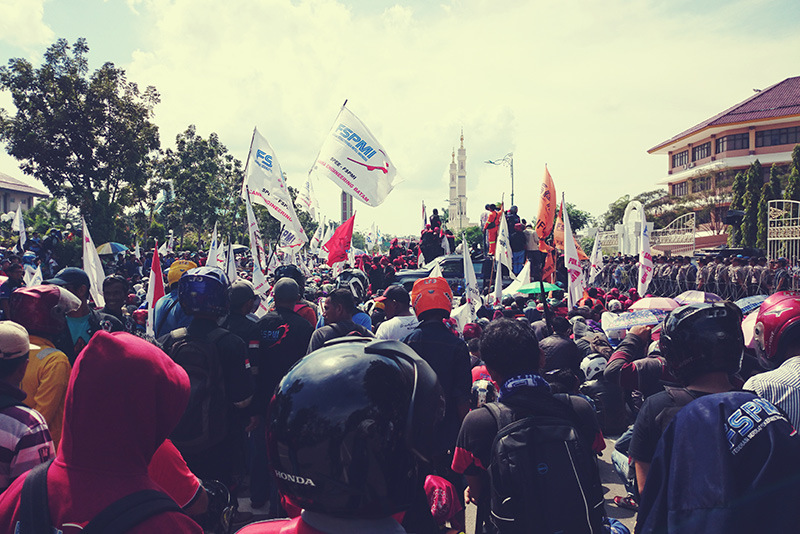
Pricing and lead-time pressure in the Vietnam garment industry has prevented many Better Work worker-management committees from effectively remedying labor problems, which has led to more worker strikes to address them.

Responsibility Boundaries in Global Value Chains: Supplier Audit Prioritizations and Moral Disengagement Among Swedish Firms

Swedish firms prioritize auditing suppliers where switching would be costly, from whom they purchase the most, and located in countries perceived as high risk.

A New Approach to the Well-being of Factory Workers in Global Supply Chains: Evidence from Apparel Factories in Mexico, Sri Lanka, China and Cambodia

International businesses can reduce workers’ exposure to adverse physical and psychosocial work conditions by including workers’ voice in factory-led monitoring systems.

Do Factory Managers Know what Workers Want? Manager-Worker Information Asymmetries and Pareto Optimal Human Resource Management Policies

Factory managers tend to underestimate the perceived value of factory health services, air quality, and temperature on worker life satisfaction, which highlights the importance of incorporating worker feedback into audit program design.

Does Lean Improve Labor Standards? Management and Social Performance in the Nike Supply Chain

Apparel suppliers that adopted lean manufacturing reduced excessive overtime, more accurately calculated and paid worker wages and benefits.

The Role of SMEs in Global Production Networks: A Swedish SME’s Payment of Living Wages at its Indian Supplier

A case study of an Indian supplier finds that paying factory workers a living wage improved product quality, worker productivity, and worker satisfaction.

Reinforcing the State: Transnational and State Labor Regulation in Indonesia

Better Work Indonesia facilitated greater factory compliance with local laws in geographies where worker unions are stronger and for laws where state regulators clearly interpret how factories should implement them.

Monitoring Global Supply Chains

Supply chain audits are more accurate when conducted by women, when auditors are new to the factory, and when brands pay rather than the audited factory.

Improving Working Conditions in Garment Supply Chains: The Role of Unions in Cambodia

Among garment factories participating in Better Work Cambodia, unionized factories exhibit better hours, wages, and leave standards.

Beyond Decoupling: Unions and the Leveraging of Corporate Social Responsibility in Indonesia

Unionized factories in Indonesia subject to buyer codes of conduct tend to have stronger collective bargaining agreements and respond better to worker grievances.