Everyday Analytics is a month-long program designed to help students understand and process data as it is typically communicated to them via news media and popular culture. The program will focus on four key analytic concepts which, when deeply understood, can feed back into better understanding of data in and outside the workplace.
During this course, students will:
- Discuss the value of random sampling in U.S. political polling
- Evaluate the distinction between correlation and causality, focusing on data related to nutrition and health.
- Discuss statistical power in the context of randomized trials, focusing on fitness trackers.
- Explore the value of Bayes Rule in assessing data on the accuracy of medical testing.
- Learn to recognize when these concepts are relevant, in both personal and professional contexts.
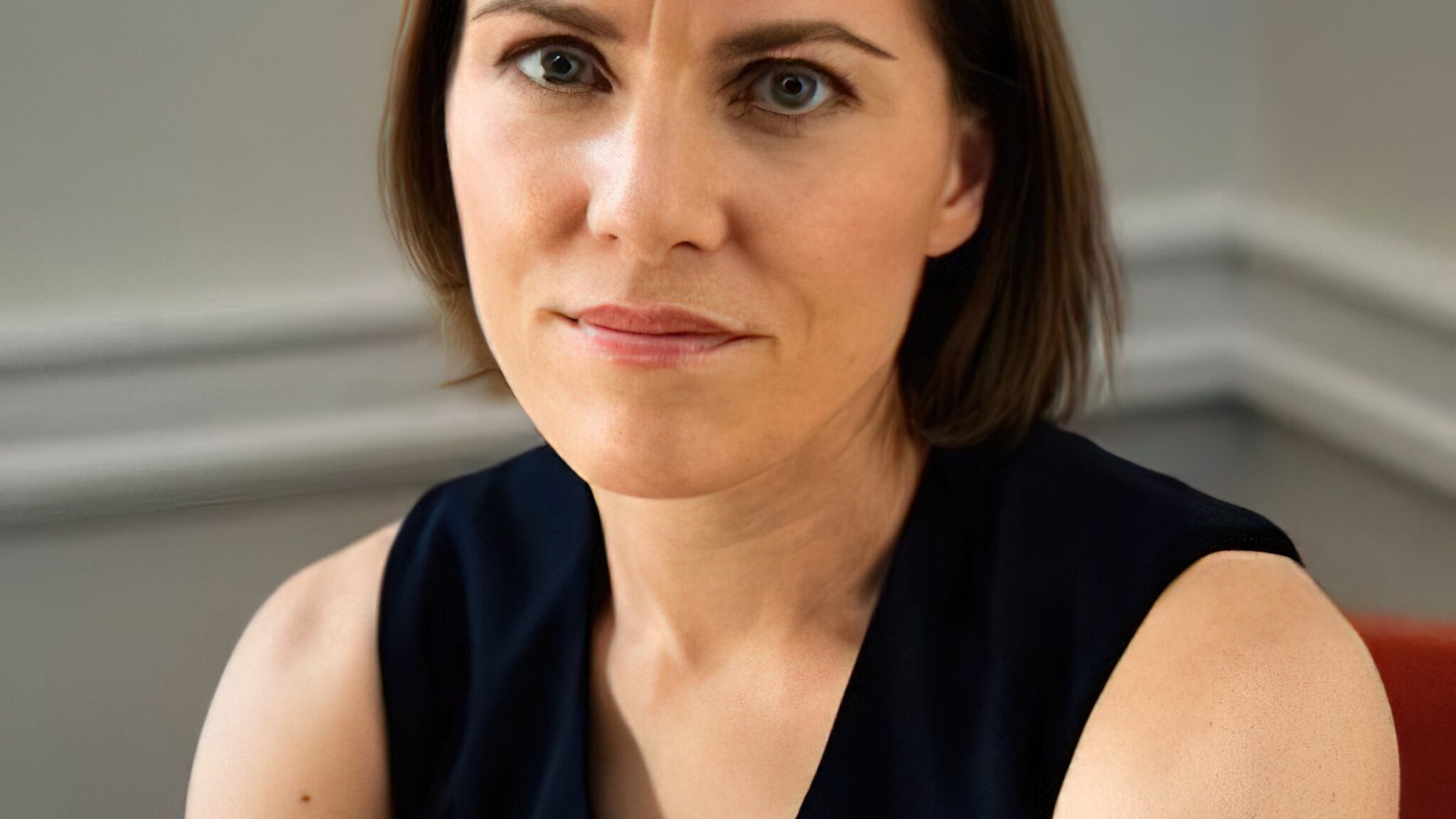
Emily Oster is a Professor of Economics at Brown University, and holds a PhD in Economics from Harvard. Prior to Brown, she was on the faculty at the University of Chicago, Booth School of Business.
Oster’s academic work focuses on health economics and statistical methods. She is interested in understanding why consumers do not always make the health choices that a rational model would predict. She also studies and develops methods for learning causal effects from observational data.
Oster has written three books on the data behind choices in pregnancy and parenting: Expecting Better, Cribsheet and The Family Firm. She writes a Substack newsletter, ParentData, exploring these topics, and she has written about them widely in outlets like The New York Times, The Atlantic and Slate.
Registration is open to the public. Links will be made available September 30 – October 27.
Email us at d3ln@hbs.edu for information on attending this seminar.