Visit hbs.edu

esarley

Hunting big game in commercial space

There’s no question that the space industry is undergoing drastic change, but how do you create the proper incentives for success with so many interdependent business models within the space sector? Professor Matt Weinzierl offers his advice using the classic game theory model the “stag hunt.”


Creating a more general deep learning algorithm for galaxies

Machine learning is a popular topic in most industries these days, and it will come as no surprise that this is true for astronomy and astrophysics as well. University of Colorado PhD student Avery Schiff explores how a deep learning algorithm is being used to classify galaxy morphologies in this article from graduate student astronomy journal Astrobites.

roccurves

The receiver operating characteristic (ROC) curve for the three questions. As the probability threshold is increased, there are fewer false negatives so the TPR increases. However, the FPR rate also increases. The best algorithm will therefore achieve a high TPR without also generating a high FPR. Figure 2 in the paper.

Launching a space mission from the deepest ocean

The search for extraterrestrial life is bound to lead one place — underwater. To prepare for this reality, scientists from Harvard and the Woods Hole Oceanographic Institution are narrowing in on autonomous ocean-floor vehicles equipped with cutting edge cameras and sophisticated sensors that can wirelessly alert researchers hundreds of miles away when something of note happens. Pretty cool stuff? We’d say so.

The scope of TESS

David Latham of the Harvard-Smithsonian Center for Astrophysics is tasked with an incredible mission — overseeing the selection and study of planets that are viable candidates for life as captured by TESS (the Transiting Exoplanet Survey Satellite). In this interview with the Harvard Gazette, Latham discusses everything from TESS’s ground-breaking camera technology to the conditions required to foster life as we do (or don’t) know it.

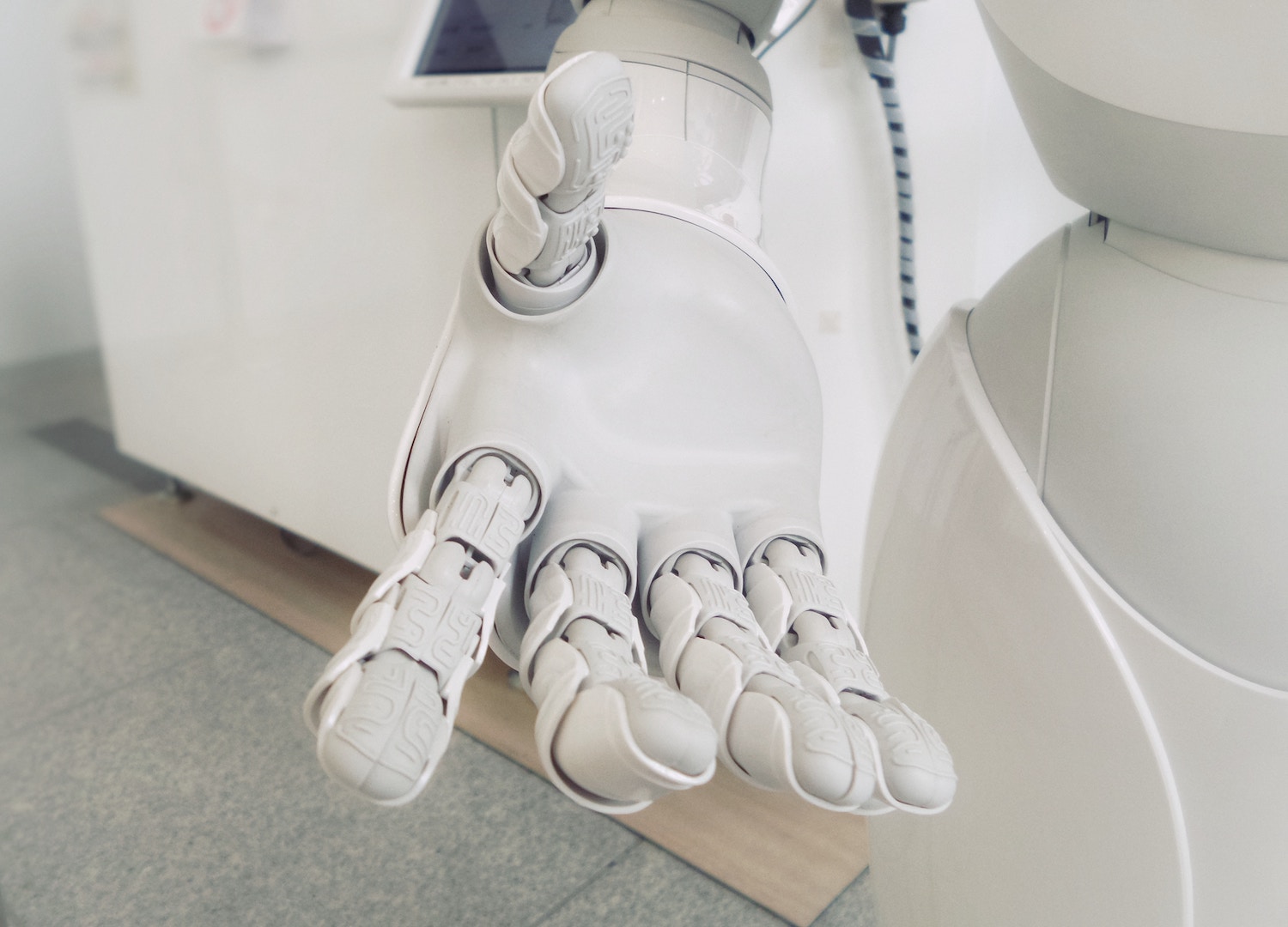
robot hand

Artificial Intelligence & the Explosion of Health Data: Global Ethical and Legal Issues

Artificial Intelligence (AI) has huge potential to shape healthcare for the better. However, it also creates ethical and legal challenges that we will discuss in this seminar. How do we ensure that AI technologies are safe and effective? What are the risks of black-box precision medicine? Who will be liable in the case of an incorrect treatment recommendation by an AI? How do we adequately protect health-related data? What is the impact of AI globally?

Engage With Us

Join Our Community

Ready to dive deeper with the Digital Data Design Institute at Harvard? Subscribe to our newsletter, contribute to the conversation and begin to invent the future for yourself, your business and society as a whole.