Introduction
As a champion of equity and empowerment, we believe you’ll find value in Harvard’s latest research insights on Hybrid-AI and data privacy, that promise to enhance efficiency at Africa.com, further enhancing the potential for women’s empowerment and innovation.
Insights

Innovation in Women’s Health
By: Rem Koning and Noa Ben Haim
Leverage Female Entrepreneurs
The article highlights the importance of female entrepreneurs in addressing women’s health issues. It suggests that women, due to their personal experiences, are more likely to identify and address gaps in women’s health. As the CEO of Africa.com, you could consider investing in or partnering with startups led by women that focus on women’s health issues, particularly those that are underserved.
Address Taboos and Stigmas
The article discusses the societal taboos and stigmas around women’s health issues, such as menstruation and menopause, which often hinder innovation and progress. Africa.com, with its significant influence and reach across the continent, could play a crucial role in breaking down these barriers through awareness campaigns, educational content, and by promoting open discussions on these topics.

Spurring Entrepreneurial Performance with AI
By: Nicholas G. Otis, Rowan Clarke, Solène Delecourt, David Holtz, Rembrand Koning
Implement AI Mentorship
The article discusses a randomized controlled trial studying the effects of access to an AI mentor on business performance in Kenya. Given Africa.com’s focus on promoting business growth in Africa, implementing such AI mentorship programs could significantly boost entrepreneurial performance across the continent.
Focus on Digital Transformation
The study also highlights the potential of digital tools like WhatsApp-based AI-mentor and ChatGPT in enhancing business practices. As the CEO of Africa.com, investing in digital transformation initiatives could be a strategic move to foster innovation and efficiency among African businesses.

The Benefits of Revealing Race: Evidence from Minority-Owned Local Businesses
By: Abhay Aneja, Michael Luca, and Oren Reshef
Leverage Online Platforms
The paper highlights the significant impact online platforms can have on minority-owned businesses. As the CEO of Africa.com, consider partnering with platforms like Yelp or developing similar features to highlight African-owned businesses. The study shows that such a feature led to a 67% increase in weekly page views and a 52% increase in revenues for Black-owned restaurants.
Cater to Latent Demand
The study reveals that making race salient can increase demand among certain consumer segments, particularly among White consumers and in politically liberal areas. This suggests there may be a latent demand for African-owned businesses among similar demographics. Tailoring your marketing strategies to these groups could potentially yield significant results.

Reskilling in the Age of AI
By: Jorge Tamayo, Leila Doumi, Sagar Goel, Orsolya Kovács-Ondrejkovic, Raffaella Sadun
Embrace Reskilling as a Strategic Imperative
The article highlights that the average half-life of skills is now less than five years, and in some tech fields, it’s as low as two and a half years. This rapid pace of change necessitates a strategic approach to reskilling within organizations. As CEO of Africa.com, consider implementing a comprehensive reskilling strategy to ensure your workforce remains competitive and adaptable in the face of rapid technological advancements.
Leverage Partnerships for Reskilling
The article emphasizes that reskilling is not just an organization-level challenge but requires a broader ecosystem involving governments, academia, and NGOs. As Africa.com operates in a diverse and complex environment, consider forming strategic partnerships with educational institutions, nonprofits, and industry coalitions to facilitate reskilling efforts and tap into a wider talent pool.

HBR: How AI Will Accelerate the Circular Economy
By: Shirley Lu and George Serafeim
Embrace AI for Material Efficiency
The article highlights how AI can significantly enhance material efficiency. For instance, SXD Zero Waste uses AI to redesign garment mockups, resulting in zero waste in fabric and about 55% lower cost. As Africa.com operates in a continent where resources are often scarce, leveraging AI to maximize material efficiency could be a game-changer.
Adopt Circular Business Models
The article emphasizes the importance of shifting to a circular economy, which could unlock trillions of dollars in value creation. Africa.com, as a major information portal, could play a pivotal role in promoting and facilitating this shift in Africa. For example, it could highlight successful circular business models and educate businesses and consumers about the benefits of such models.

HBR: 8 Questions About Using AI Responsibly, Answered
By: Tsedal Neeley
Prioritize Transparency and Fairness
The article emphasizes the importance of transparency and fairness in AI, particularly in data curation. It suggests that diverse teams, including members of underrepresented populations, can help ensure a variety of perspectives and identities are represented in the data used to train AI models. This can help identify unrecognized biases and ensure AI works equitably.
Privacy by Design(PbD) Framework
The article suggests adopting the PbD framework to combat potential data privacy risks associated with AI. This includes being proactive rather than reactive, embedding privacy into design, ensuring end-to-end security, and maintaining visibility and transparency. By incorporating these principles into your operations, you can ensure that privacy is at the core of your digital operations.
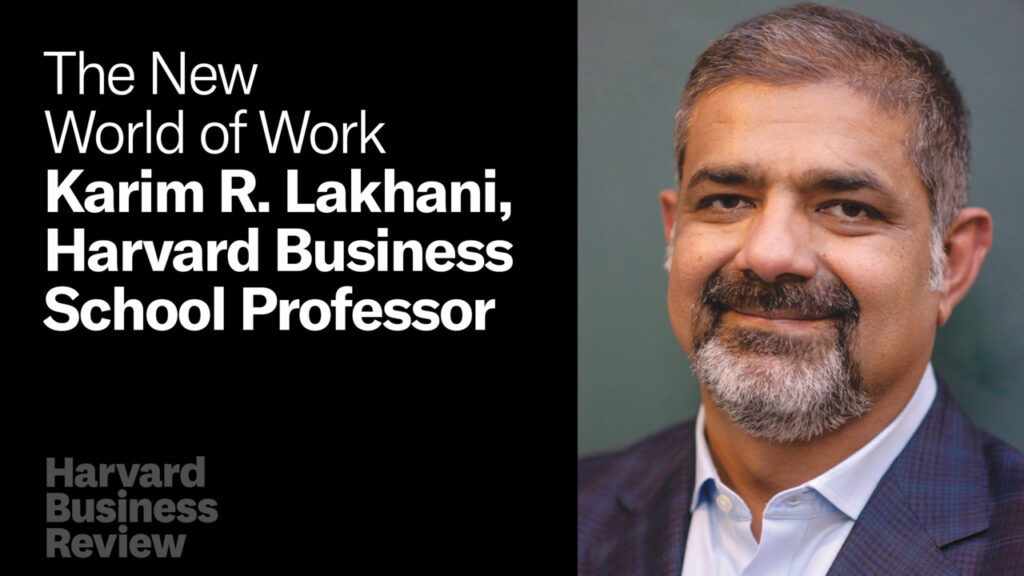
HBR: AI Won’t Replace Humans – But Humans With AI Will Replace Humans Without AI
By: Karim Lakhani
Embrace AI and Digital Transformation
The article emphasizes the importance of adopting AI and digital technologies at the core functions of businesses. It suggests that most companies will not have a choice but to adopt AI, as consumers are already living in an AI age. The transition to AI is inevitable and the cost to make the transition keeps getting lower.
Invest in Continuous Learning and Change Management
The article highlights the need for continuous learning and change management as critical skills in the DNA of any successful organization. Every executive and worker needs to have a digital mindset, understanding how these technologies work and the deployment of them. The article suggests that AI is not going to replace humans, but humans with AI will replace humans without AI.

The Hidden Benefits of Giving Back to Open Source Software
By: Kristen Senz
Encourage Employee Contributions to Open Source
The research shows that companies that allow their employees to contribute to open source software on company time can boost their productivity by up to 100%. This is because employees gain valuable insights and experience, which they can then apply to their work. As Africa.com is a tech-oriented company, this strategy could significantly enhance your team’s productivity and innovation.
Leverage Open Source for Competitive Advantage
The article also suggests that contributing to open source software can provide a competitive advantage, even in the face of potential short-term benefits to competitors. This is particularly relevant in the tech industry, where using and contributing to open source software is seen as good corporate citizenship. By adopting this approach, Africa.com can not only improve its technical capabilities but also enhance its corporate image and potentially attract top talent.

Is AI Racist?
This article is based on an Assembly Talk featuring Dr. Broderick Turner, a distinguished researcher and Business in Global Society Fellow at Harvard Business School. Dr. Turner is renowned for his work in the Technology, Race, and Prejudice (T.R.A.P.) Lab, which aims to uncover the intricate dynamics of marketing, technology, racism, and emotion.
Implement Bias Checks
Given that AI can perpetuate biases based on the data, categorization, and rules created by humans, it’s crucial for Africa.com to implement regular checks for potential biases in its AI systems. This involves understanding the demographics and perspectives of the humans involved in each part of the system, from data creation to user impact.
Thoughtful AI Adoption
Before adopting any AI system, Africa.com should ask three key questions: What does the AI actually do? Who does it empower or disempower? How will it be used daily? This will ensure that the AI system aligns with the company’s goals and doesn’t inadvertently perpetuate biases or harm certain demographics.
Advocate for AI Education
As a leading digital media company in Africa, Africa.com is in a unique position to advocate for education on AI safety and human impacts. This can help raise awareness about the potential biases in AI and promote more equitable outcomes.

Unlocking Personal Devices for AI- Applications of Hybrid-AI for Businesses
By: Sushant Tripathy
Implement Hybrid-AI
The article highlights the potential of Hybrid-AI in improving efficiency and user experience. For Africa.com, this could be particularly useful in areas such as content tagging, recommendation systems, and automatic response generation. By integrating Hybrid-AI, you could potentially conserve up to 30% of resources that would otherwise be invested in scaling cloud computing capacity.
Prioritize Data Privacy
The article also emphasizes the importance of data privacy in the context of AI. As Africa.com continues to grow, ensuring robust data privacy measures will be crucial. Hybrid-AI can help in this regard, as it allows for on-device processing, reducing the amount of user data that needs to be sent to a central server. This not only enhances user trust but also helps in complying with emerging privacy policies.
In Summary
Harnessing Hybrid-AI could significantly improve Africa.com’s efficiency, especially with your commitment to innovation and adaptability, by conserving resources and improving user experience. Prioritizing data privacy, a key focus in this era, aligns with your value of empowerment through information, helping maintain user trust and future-proofing your business. Adopting these measures may further solidify Africa.com’s mission of equitable practices and empowering women.